
Laser Pigmentation Treatment in Singapore

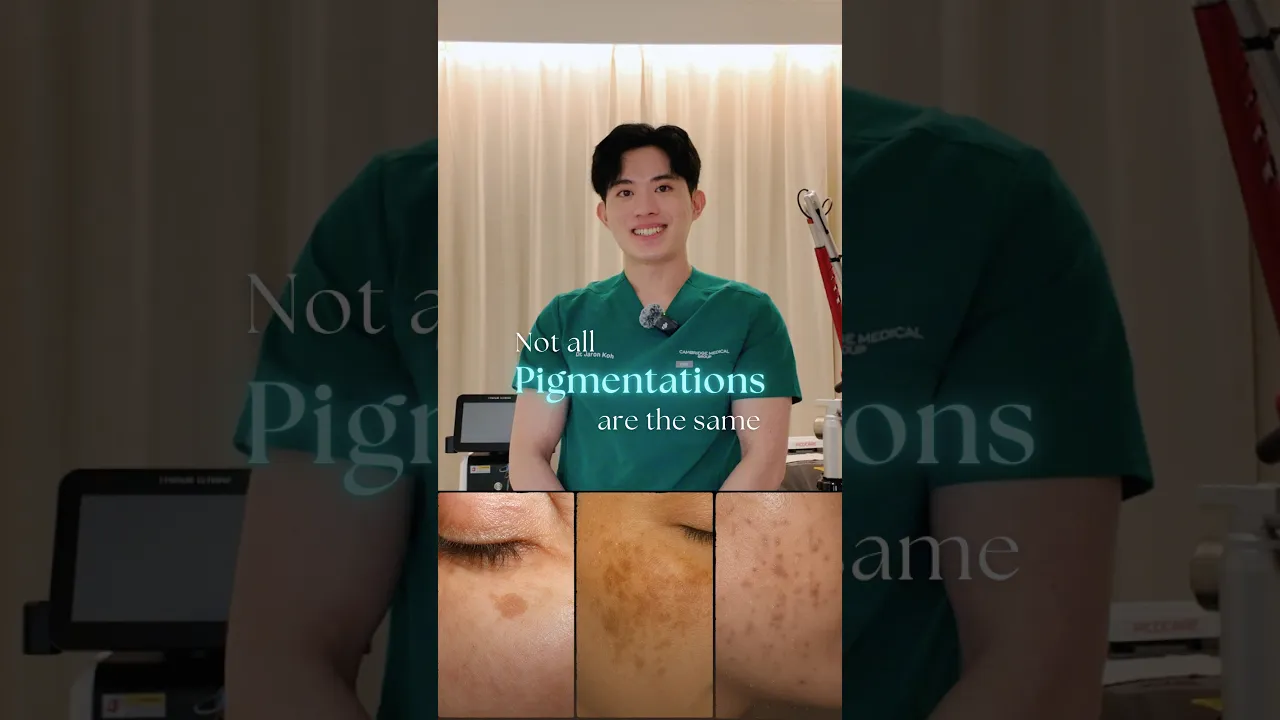
Pigmentation is rarely just one issue. What looks like a single dark spot may involve different layers of pigment in the skin, which is why results can vary with creams or over-the-counter treatments.
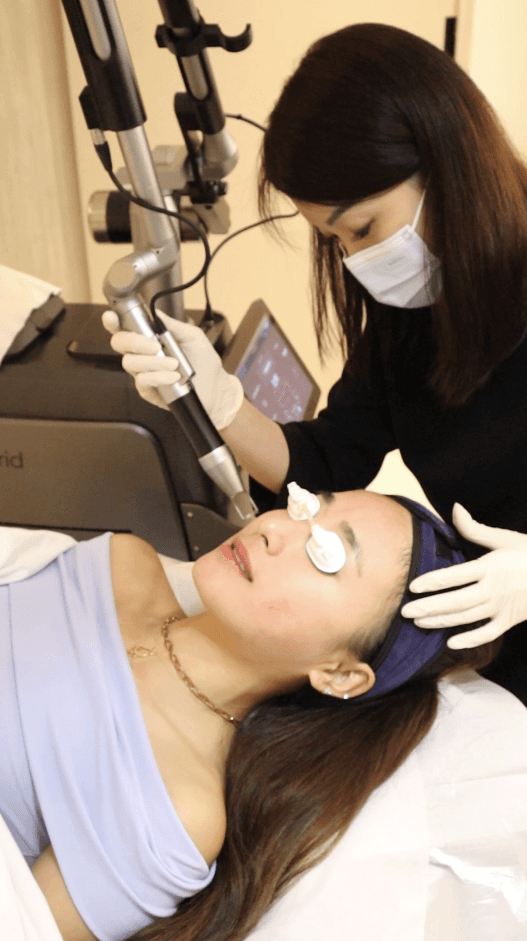
Laser treatments are used to target these areas more selectively. At Cambridge Medical (Somerset), our team in Singapore will evaluate the type and depth of your pigmentation before recommending the laser approach that suits you.
What Is the Best Hyperpigmentation Treatment in Singapore?
The best treatment depends on the type of acne scars you have. At Cambridge Medical (Somerset), we have the following hyperpigmentation treatments, each tailored to suit your skin’s unique needs:
Pico Laser
BB LaserYellow Laser
Fractional Laser
Bespoke/Hybrid Laser
Q-Switched Laser
Reepot Laser
MLA Laser
What Is Hyperpigmentation and Why Does It Occur?
Hyperpigmentation is a common skin concern among patients looking for treatment in Singapore. It refers to areas of skin that appear darker than the surrounding skin tone, due to excessive melanin production.
Excess Melanin Production in the Skin
Melanin, the pigment responsible for colour in your skin, hair, and eyes, is produced by specialised cells called melanocytes. When these cells become more active than usual, they produce more pigment, which can settle unevenly in the skin and form visible spots or patches. The depth at which this pigment sits can vary, which is why some pigmentation appears lighter while others look more persistent.
Common Causes of Pigmentation
A variety of external and internal factors can trigger hyperpigmentation. Understanding the root cause is essential for effective treatment.
Sun Damage (UV Exposure): When skin is exposed to harsh UV rays, it increases melanin production as a natural defence mechanism. Prolonged or cumulative exposure overstimulates these cells, leading to uneven distribution and the formation of sunspots or age spots.
To clear this, a targeted laser treatment for pigmentation in Singapore often involves the Pico Laser, Q-Switched Laser, Hybrid Laser or Reepot Laser. These devices use short bursts of energy to effectively shatter the localised excess melanin caused by the sun.Hormonal Fluctuations: Changes in hormones, particularly during pregnancy or from therapies like birth control, can overstimulate melanocytes. This often leads to a specific type of hormonally induced pigmentation known as melasma.
Because hormonal pigmentation is sensitive to heat and inflammation, we typically manage it with gentle controlled systems such as the Yellow Laser or Fractional BB Laser to safely clear the pigment.Skin Inflammation or Trauma: Conditions such as acne, eczema, burns, or even friction can trigger the skin’s natural healing process. This inflammation often results in an overproduction of melanin, leaving behind a dark mark known as post-inflammatory hyperpigmentation.
Lasers such as the Pico Laser paired with Microlens Array (MLA) technology are often used here, as they break down the dark marks while simultaneously stimulating collagen to smooth out the compromised skin texture.Genetics: Individuals with a family history of pigmentation disorders may be genetically predisposed to conditions like freckles. The Pico Laser and Q-Switched Laser are effective at lifting freckles.
Adrenal Disorders & Medications: Hormonal imbalances from conditions like Addison’s disease, or unintended side effects from specific medications, can trigger sudden skin darkening.
Once the underlying health condition is stabilised by a medical professional, versatile treatments like the Q-Switched or Pico Laser can be used to clear lingering pigment left on the skin.
Types of Pigmentation That Can Affect the Skin
Hyperpigmentation can appear in different forms depending on its triggers and the location of the pigment within the skin.
Common types include:
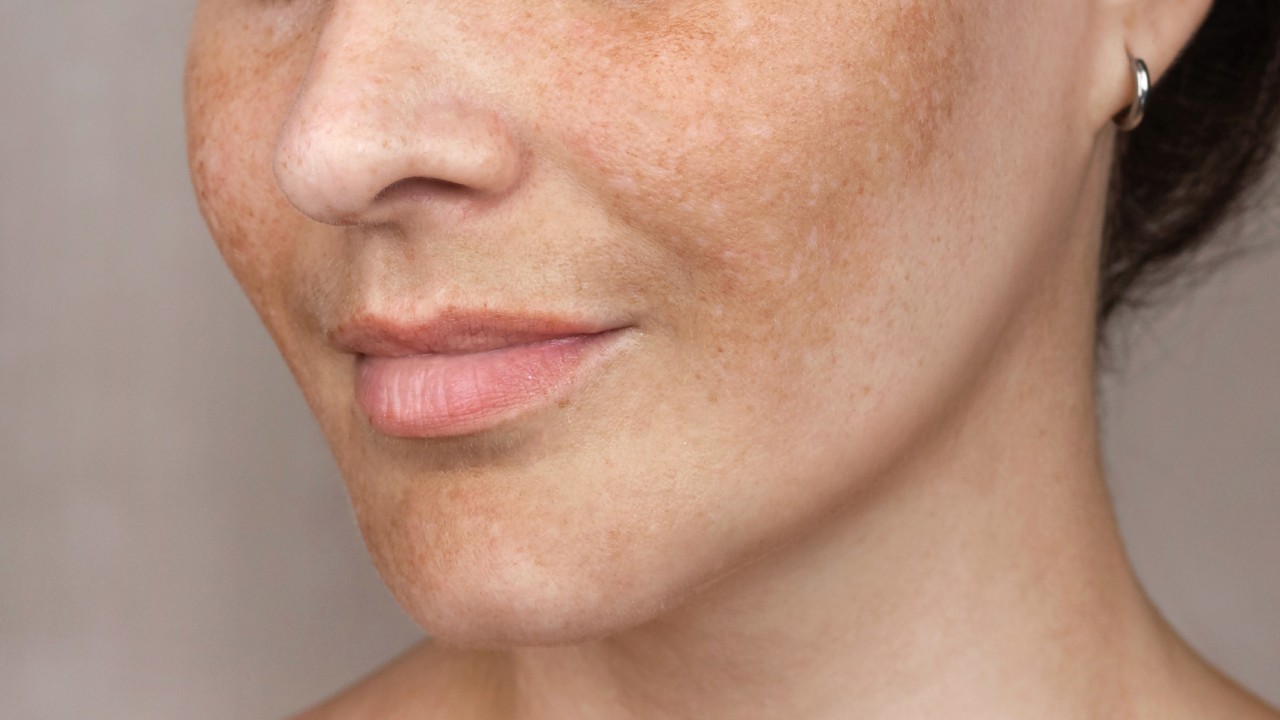
Melasma: Typically appears as symmetrical patches on the cheeks, forehead, or upper lip. It’s often associated with hormonal changes and may become more noticeable with sun or heat exposure. The pigment may sit deeper in the skin, which can make it more persistent.
Treatment Approach: Because melasma is aggravated by heat, we use lasers (such as the Yellow Laser or Fractional BB Laser) to gradually break down pigment and reduce the blood supply to overactive cells, without triggering further inflammation.Sunspots (Solar Lentigines): Well-defined dark spots that develop after repeated sun exposure over time. These are common in areas frequently exposed to the sun, such as the face, hands, and arms.
Treatment Approach: These respond well to targeted treatments like the Reepot Laser or Q-Switched Laser. The intense acoustic energy shatters the localised pigment.Post-Inflammatory Hyperpigmentation (PIH): This occurs after the skin has been inflamed or injured, such as from acne, eczema, or minor trauma. The affected areas may appear as darker marks that remain after the skin has healed.
Treatment Approach: Lasers that target cellular turnover and pigment fragmentation (such as the Pico MLA) work to lift these marks and smooth the compromised skin texture left by the initial injury.Freckles (Ephelides): These are small, flat brown spots that are often linked to genetic factors and sun exposure. Freckles tend to become more pronounced with UV exposure and may lighten when sun exposure is reduced or after a removal procedure.
Treatment Approach: Freckles sit superficially on the skin, which customised laser pulses can lift the pigment, leaving behind a clear, even complexion.Mixed or Combination Pigmentation: In some cases, more than one type of pigmentation may be present at the same time. For example, melasma may coexist with sunspots or post-inflammatory marks, which can affect how treatment is approached.
Treatment Approach: Using multi-wavelength systems (like our Hybrid Laser), Dr Shirley Kwee can target deep hormonal melasma and superficial sunspots concurrently.Nevus (Moles): Commonly known as moles, these spots vary in colour, size, and depth. Lasers can treat them, but it depends on the type of mole. Small, flat, and benign (non-cancerous) brown moles that sit close to the skin's surface can often be removed using pigment-targeting lasers like the Pico or Q-Switched Laser. However, if a mole is raised, very deep, or shows suspicious or atypical features (such as irregular borders or sudden changes in size/colour), it cannot be treated with a laser. Such moles require a thorough medical assessment to rule out melanoma, and our doctors will carefully evaluate your skin and advise you on the safest course of action.
Not sure which type of pigmentation you’re dealing with?
Book a consultation with us at Cambridge Medical (Somerset) for a pigmentation assessment and treatment plan.
How Laser Treatments Help Reduce Pigmentation
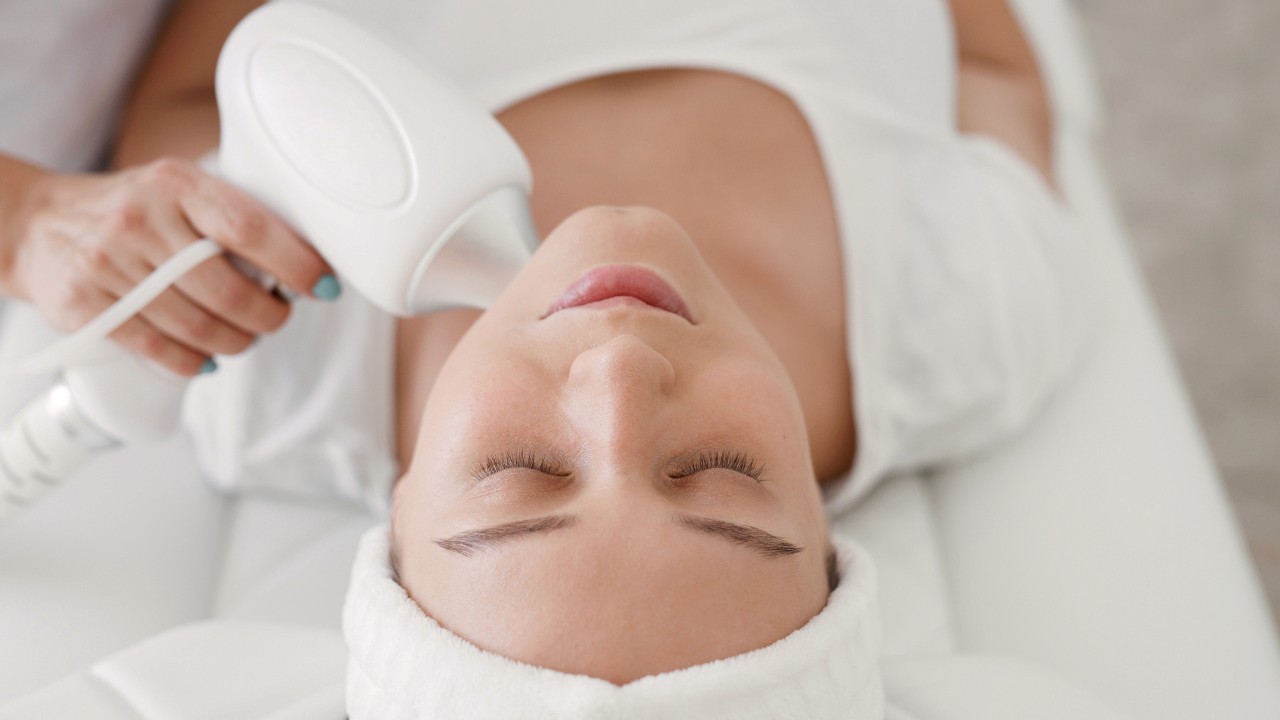
Laser treatments are used to address areas of excess pigment within the skin by delivering controlled energy at specific wavelengths. This energy is absorbed by melanin, allowing targeted areas of pigmentation to be treated with minimal effect on the surrounding skin.
Different types of lasers may be selected depending on the depth and type of pigmentation. Some are used for more superficial pigment, while others are designed to reach deeper layers of the skin.
As the pigment is broken down into smaller particles, the body gradually clears it through natural processes. This means improvements are typically seen progressively rather than immediately.
In most cases, a series of sessions may be recommended, depending on the extent of pigmentation and your skin's response to laser treatment.
Types of Laser Treatments for Pigmentation Removal
When evaluating a laser for pigmentation in Singapore, Cambridge Medical (Somerset) offers a comprehensive suite of technologies tailored to different skin profiles.
Pico Laser
This type of laser treatment is typically used to target areas with excess pigmentation, using ultra-short pulses of energy. This creates a photoacoustic effect, where pigment is broken down into smaller particles without relying heavily on heat.
This approach may be considered for pigmentation concerns such as freckles, sunspots, and post-inflammatory marks, where targeted control is required.
Pico Laser with Microlens Array (MLA) Technology
In some cases, pico lasers may be combined with microlens array technology, which distributes laser energy into multiple micro-focused zones within the skin.
This approach may be considered when pigmentation is accompanied by uneven skin texture or scarring, as it allows controlled stimulation within the skin while still addressing pigment.
BB Laser
The BB Laser is a sub-ablative 1927nm Thulium laser designed to support skin resurfacing and enhance radiance. This specific wavelength targets the basal layer of the skin where melanin resides, helping to clear pigmentation while preserving the uppermost layer of the skin (the stratum corneum).
Similar to the smoothing effect of applying BB cream, this treatment may be considered to lighten freckles, age spots, and melasma. It also aims to improve overall skin texture by gently reducing the appearance of enlarged pores and fine lines.
Yellow Laser
The Yellow Laser operates at a specific wavelength of 577nm, which is highly absorbed by both melanin and underlying blood vessels. This makes it useful for addressing pigmentation that is accompanied by vascular concerns or facial redness.
By targeting the excess pigment while simultaneously reducing the blood supply to overactive pigment-producing cells, this approach may help manage stubborn conditions like melasma and reduce the chance of recurrence. It is a gentle option that is generally well-tolerated across different skin types.
Bespoke/Hybrid Laser
The Hybrid Laser is a multifunctional treatment that utilises two distinct wavelengths (1064nm and 532nm) to address pigmentation at various depths concurrently. The 1064nm wavelength targets conditions like melasma, while the 532nm wavelength targets surface-level issues such as freckles and sunspots.
This customisable, dual-wavelength approach allows doctors to tailor the treatment directly to your specific skin profile. It aims to break down excess pigment, improve dullness, and stimulate collagen production with minimal downtime.
Reepot Laser
The Reepot Laser is a 532nm Nd:YAG system that incorporates smart image-processing technology (AutoDerm®) to map out pigmented areas. The system evaluates real-time lesion data and automatically adjusts its laser energy based on the depth and density of the target pigment, such as age spots or sunspots, and even freckles.
By selectively targeting the pigmented lesions, it aims to leave the surrounding healthy skin unaffected. Combined with a contact cooling system to protect the skin surface and enhance comfort, this approach enables controlled, uniform treatments.
Q-Switched Laser
The Q-Switched Nd:YAG laser is a versatile nanosecond laser commonly used to address various forms of pigmentation. It works by emitting high-intensity pulses of light energy in billionths of a second. This photoacoustic energy targets dark pigments in the skin, shattering them into fine fragments so the body's immune system can naturally clear them away.
At Cambridge Medical (Somerset), this well-established technology may be considered for treating superficial concerns such as freckles and age spots, as well as for managing conditions like mild melasma and post-inflammatory hyperpigmentation. It is generally well-tolerated across different skin types and involves minimal downtime.
Combination Treatment Options
Depending on your skin condition, we may recommend combining laser treatments with other methods, such as RF microneedling and chemical peels, for complex or stubborn pigmentation.
RF Microneedling:
RF Microneedling helps to break down excess pigmentation by puncturing the skin with tiny needles, promoting collagen production and helping reduce pigmentation. It is effective for post-inflammatory hyperpigmentation and can be paired with lightening serums.
Skin Boosters and Polynucleotides:
Skin Boosters can help cellular repair, deeply hydrate the dermis, and reduce post-laser inflammation, leaving you with a more resilient complexion that can efficiently flush out shattered pigment particles.
Medical-Grade Chemical Peels:
When performed in tandem with a laser treatment, a chemical peel removes surface debris, allowing the laser energy to penetrate more uniformly. Post-laser, mild peels can also help sweep away microscopic pigment fragments as they rise to the skin's surface.
Managing Expectations for Pigmentation Removal
Laser treatments are effective, but it is crucial to set realistic expectations. Complete removal of pigmentation is not always possible in a single session. That being said, certain specialised lasers, such as the Reepot Laser, are designed to effectively target stubborn pigmentation, such as sun spots.
Because the laser breaks the pigment into microscopic fragments that your body's immune system must clear away, the results are gradual. Visible improvements often take several weeks to months to fully manifest, and stubborn pigmentation typically requires a series of sessions.
What to Expect During Your Laser Pigmentation Treatment
At Cambridge Medical (Somerset), we prioritise patient safety and comfort. Here is a step-by-step look at what your procedure will typically involve:
Consultation and Skin Analysis:Our doctors will evaluate your skin type, identify the depth of your pigmentation, and review your medical history to select the most appropriate laser treatment for pigmentation.
Skin Preparation: Your skin will be carefully cleansed. To ensure your comfort, a topical numbing cream is usually applied to the treatment area.
Targeted Laser Application: The selected laser is calibrated to your personalised settings. As the laser passes over the skin, patients typically experience a mild, tolerable snapping sensation.
Post-Treatment: Immediately following the session, you may notice mild redness or a slight warming sensation. This is a normal response and typically subsides within a few hours to a few days.
Aftercare and Preventing Pigmentation Recurrence
Achieving clear skin is only half the journey; maintaining it requires proper aftercare.
Immediate Post-Laser Aftercare:
Use a gentle cleanser and a fragrance-free moisturiser.
Avoid harsh active ingredients (like retinoids or exfoliating acids) for a few days post-treatment.
Avoid hot showers, saunas, and strenuous exercise for 48 hours to prevent skin flushing.
Long-Term Preventive Tips:
Daily Sun Protection: Apply a broad-spectrum SPF 30+ sunscreen every day. UV exposure is the primary trigger for the return of pigmentation.
Antioxidant Skincare: Incorporate a Vitamin C serum into your morning routine to help neutralise free radicals and suppress melanin production.
Avoid Picking: Never pick at acne or wounds, as this trauma often leads to post-inflammatory hyperpigmentation.
Maintain a Healthy Lifestyle: Overall skin resilience starts from within. Eating a balanced, antioxidant-rich diet, staying well-hydrated, and managing stress levels help regulate internal triggers (like hormonal fluctuations and inflammation) that can worsen pigmentation.
Benefits of Laser Treatment for Pigmentation
After a laser treatment for pigmentation, you may notice:
A gradual lightening of dark spots or patches over time
Even-looking skin tone
Reduced contrast between pigmented and surrounding areas
Improvement in overall skin clarity
Laser treatment is also targeted, meaning the surrounding skin is generally less affected. As a non-surgical approach, it comes with minimal downtime for many patients.
You may notice mild redness or temporary darkening of treated areas, which typically settles over time.
Who May Consider Pigmentation Removal Treatments?
You may consider Cambridge Medical (Somerset)’s laser treatments for pigmentation if you:
Have frequent sun exposure or spend time outdoors
Have a medium to darker skin tone, which may be more prone to certain types of pigmentation, such as post-inflammatory marks
Notice hormonally influenced pigmentation, which is more commonly seen in individuals in their twenties to forties
Have had pigmentation that returns even after previous treatments or skincare
Are dealing with more than one type of pigmentation and require a more tailored approach
Cost of Laser Pigmentation Treatment in Singapore
The cost of laser pigmentation treatment in Singapore can vary depending on the type of laser used, the area being treated, and the number of sessions required. As a general guide, standard laser treatments typically start from around $380 per session.
More advanced or combination laser approaches may be priced differently based on your skin condition and treatment plan. For a more accurate quotation and a full breakdown of available laser options, it is best to contact our team directly.
Laser Pigmentation Treatment: Before and After Photos
Due to regulations from the Ministry of Health (MOH), we are unable to provide before-and-after photos on our website. However, you may request to view these photos during your consultation with our doctors at our clinic to better explain and clarify the possible treatment outcomes based on your skin’s unique condition.
Why Choose Cambridge Medical (Somerset)
At Cambridge Medical (Somerset), your journey is led by Medical Director Dr Shirley Kwee, who has over a decade of experience in aesthetic medicine, including pigmentation management. Can include Dr Jaron here please.
Laser treatment is not about using more energy or more sessions. Dr Kwee focuses on carefully selecting appropriate settings and spacing treatments, with attention to how your skin responds at each stage.