Back Acne Treatment in Singapore

Breakouts on your face are hard enough to deal with, but back acne is a different challenge altogether. How do you apply a pimple patch to a blemish that you cannot see and can barely reach?
At Cambridge Medical (Somerset), we offer back acne treatments that go beyond what is available over the counter. From medical-grade topicals, back facials to lasers for back acne scars, our doctors focus on reducing stubborn spots while improving your skin clarity.
What Is Back Acne?
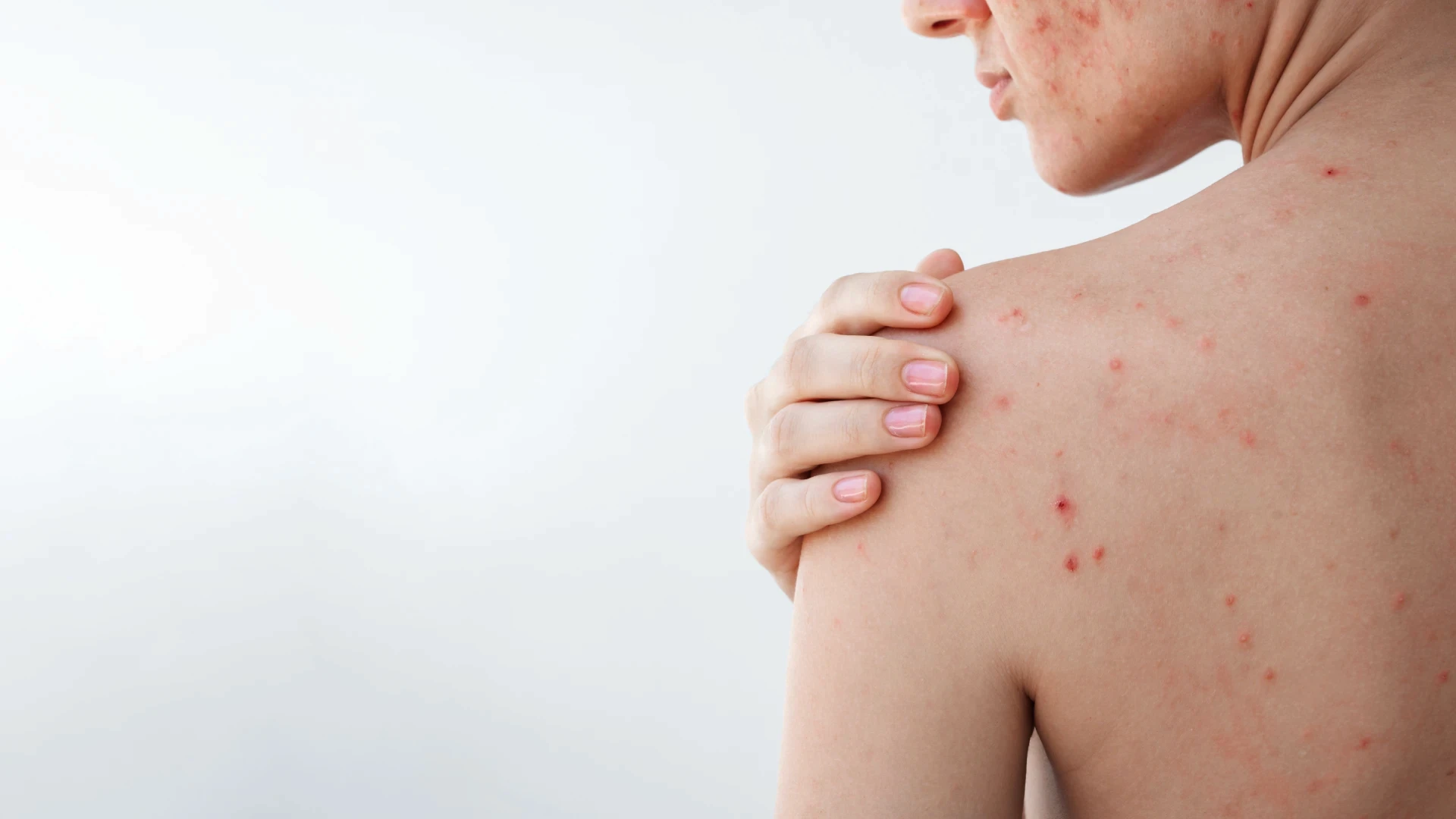
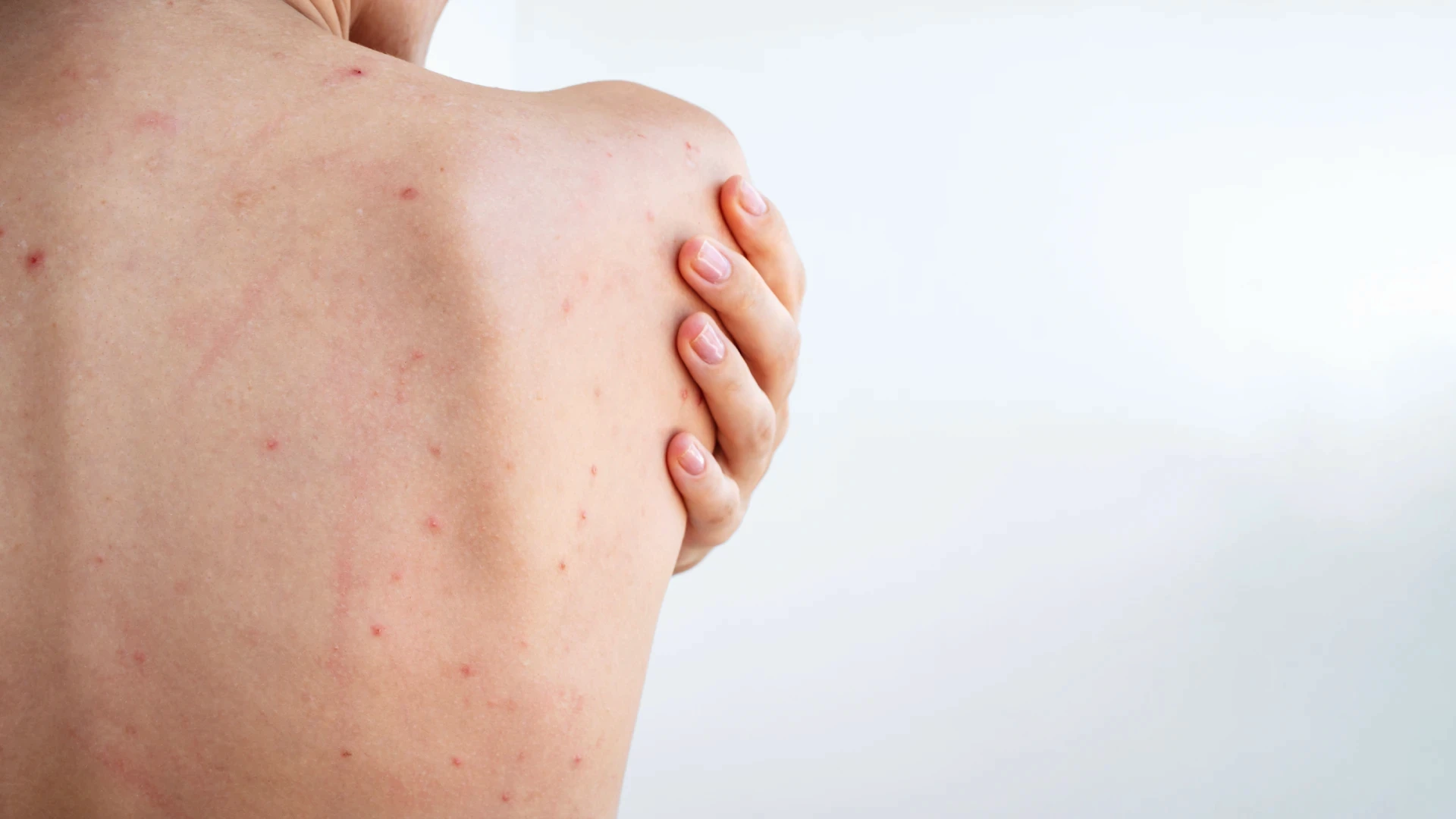
Back acne, also commonly referred to as "bacne," is acne that develops across your back, shoulders, or upper torso. It can appear as:
Small bumps
Whiteheads
Blackheads
Deeper, more inflamed breakouts that sit beneath the skin
Why Acne Commonly Appears on the Back
The back is one of the more acne-prone areas of the body, largely because of how the skin behaves there.
There is a higher concentration of oil glands, increasing the likelihood that pores become blocked. The skin is also thicker, so breakouts can develop deeper and may take longer to clear than on the face.
At the same time, it is an area that is harder to monitor and treat consistently. Breakouts on the back are less noticeable at first, but tend to cover a wider area and take longer to settle.
You may only realise you have back acne when it becomes persistent, irritated, or recurs in the same areas.
What Causes Back Acne?
Back acne rarely comes down to a single trigger. In most cases, it develops from a combination of internal factors and daily habits.
At its core, acne forms when a pore is blocked, creating an environment for bacteria to grow. This triggers inflammation, which is what leads to a visible breakout.
You may also notice a pattern. If you typically get facial acne, you may be more likely to get spots on your back or chest, as the same underlying causes of acne tend to affect multiple areas of the skin.
Excess Oil Production and Clogged Pores
Your skin produces oil (sebum) to keep it from becoming dry and irritated. When excess oil is produced, it mixes with dead skin cells that naturally shed from the surface. These do not always leave the surface evenly. Instead, they can collect within pores, which are tiny openings connected to hair follicles. Every pore contains fine hair that may be invisible to the naked eye.
As this build-up accumulates, it can block the pore. Once blocked, it creates an enclosed space where bacteria can multiply more easily, triggering inflammation and leading to visible breakouts.
Hormonal Changes and Genetic Factors
Hormones influence how active your oil glands are. During periods such as puberty, stress, or certain hormonal conditions, these glands may become more stimulated and produce more oil than usual. Teenagers and young adults may therefore be more prone to back acne.
Genetics also affects how your skin responds to these changes. If you are more prone to acne, your pores may be more likely to become blocked or inflamed under the same conditions compared to others.
In some cases, medications like corticosteroids can also trigger or worsen breakouts by affecting how your skin produces oil.
Sweat, Friction, and Tight Clothing
Back acne can develop when sweat builds up and stays on the skin for longer than it should, such as during a workout or in humid weather.
Tighter clothing, including compression or fitted activewear, can make this worse. The closer the fabric sits against your skin, the more likely sweat is to become trapped rather than evaporate. That prolonged contact creates a warm, damp environment where breakouts are more likely to develop.
Repeated friction from clothing, straps, or equipment can also irritate the skin. When this occurs alongside trapped sweat, it becomes easier for pores to become congested and inflamed.
The combination of sweat, compression, and friction is why flare-ups often happen after exercise or during extended periods in tight clothing.
Lifestyle and Dietary Factors
Some triggers come from everyday routines. Staying in sweaty clothing, reusing unwashed towels or bedsheets, or allowing residue from hair products such as conditioner or oils to sit on your back can all contribute to blocked pores.
Diets high in refined carbohydrates or certain dairy products may also affect breakouts in some people, while ongoing stress can increase oil production through hormonal pathways.
Treatments for Back Acne and Acne Scars
Treatments for back acne in Singapore, and for the scars that may form after an active breakout, can range from dermatologist-approved topicals and lasers to certain lifestyle changes.
Medical-Grade Topicals to Reduce Oil and Bacteria
Topical treatments for back acne are often used to manage the two key processes behind acne: blocked pores and bacterial growth. Each topical treatment contains ingredients that target a specific part of how acne forms.
Some of the more commonly used ingredients include:
Salicylic acid (BHA): Helps dissolve the build-up inside pores by penetrating the pore lining and breaking down the mixture of oil and dead skin cells
Benzoyl peroxide: Reduces acne-causing bacteria on the skin and within pores, while also helping to calm inflamed breakouts
Alpha hydroxy acids (AHAs) such as glycolic acid: Work more on the surface by loosening and removing dead skin cells so they do not build up and clog pores, while also improving overall skin texture over time
Retinoids (vitamin A derivatives): Regulate how skin cells turn over, reducing the likelihood of pores becoming blocked and helping to improve post-acne marks with continued use
Niacinamide: Helps reduce inflammation and supports the skin barrier, which can make breakouts appear less red and irritated
Because the back is a larger and harder-to-reach area, these ingredients are often formulated into body washes, sprays, or leave-on treatments that can be applied more evenly and consistently.
These Active Ingredients Must Be Used According to Your Doctor’s Advice
While active ingredients can help, using too many at once or too often can irritate your skin and worsen breakouts.
Layering exfoliating acids like salicylic acid and glycolic acid too frequently can disrupt your skin barrier, leading to dryness, sensitivity, and in some cases, increased oil production.
Stronger ingredients such as retinoids or benzoyl peroxide can also irritate if introduced too quickly or used excessively.
A more measured approach is usually more effective. Using the right ingredients at the right frequency allows your skin to improve without being overwhelmed.
Unsure where to start? Our doctors at Cambridge Medical (Somerset) can help you.
Oral Medications for Persistent or Widespread Acne
When breakouts are more persistent, widespread, or recurrent, oral medications may be considered. These include:
Oral antibiotics to reduce acne-causing bacteria and calm inflammation. These are usually prescribed for a limited period to control active breakouts.
Oral retinoids (e.g. isotretinoin) can reduce the amount of oil your skin produces and help prevent pores from becoming blocked. These are typically considered for more severe or persistent acne that has not responded to other treatments.
Hormonal treatments (for women) may include certain oral contraceptives or medications that reduce the effect of androgens (hormones that stimulate oil glands).
You may also come across retinoids in topical form, sometimes used without guidance. While effective, these are not suitable for everyone. Using them too frequently or in the wrong strength can lead to irritation, dryness, and worsening breakouts, especially on larger areas like the back.
Because these medications act systemically, they are best introduced with medical guidance. At Cambridge Medical (Somerset), our doctors consider them when acne is recurrent, widespread, or leaving marks, and when a more sustained approach is needed beyond topical care.
Chemical Peels to Clear Congestion and Smooth Skin
Chemical peels are typically used to address the buildup within pores more directly. They work by encouraging the outer layer of skin to shed in a more controlled way, which can:
Reduce congestion that contributes to breakouts
Improve overall skin texture
Support gradual fading of post-acne marks
For the back, peels are typically adjusted in strength and coverage to accommodate thicker skin and a larger treatment area.
Laser Treatments for Active Back Acne and Scars
Rather than working on the surface alone, lasers deliver controlled energy into different layers of the skin. Depending on the type used, this can help reduce active acne, calm inflammation, and improve the skin's ability to repair itself over time.
For Active Back Acne
Certain laser treatments are used while breakouts are still ongoing. These can help to:
Reduce acne-causing bacteria within the skin
Calm inflammation and redness
Lower oil activity in treated areas
For example, yellow laser targets components within the skin linked to inflammation and redness, which may help settle active breakouts and post-acne marks with minimal downtime.
This approach is often considered when acne is recurrent or not fully responding to topical or oral treatments.
How Laser Treatments Help Improve Back Acne Scars and Uneven Texture
Once active acne is more controlled, laser treatment for back acne scars can focus on improving the marks left behind. Options may include:
Fractional and hybrid lasers create controlled micro-injuries in the skin to stimulate collagen production. Over time, this helps refine uneven texture and improve depressed acne scars
Pico laser, which uses very short pulses of energy to stimulate skin renewal and break down pigment, helping with post-acne marks and overall skin clarity without relying heavily on heat
Some lasers work better for texture, while others are more suited for pigmentation or redness. Since back acne rarely presents as just one concern, our doctors may combine different modalities to treat each concern where it appears.
What to Expect From Laser Treatments
Laser treatments are usually done as a series rather than a one-time session. Changes tend to be gradual as the skin responds over time.
The downtime depends on the type of laser used. Some treatments involve minimal downtime, while others targeting deeper skin changes may cause a few days of redness or sensitivity.
Combining Treatments Based on Your Skin
Laser treatments may be introduced at different stages to address specific concerns, such as:
Ongoing breakouts
Pigmentation or post-acne marks
Uneven texture or scarring
They may also be combined with topicals, oral medication, or chemical peels to manage both active acne and longer-term skin changes.
Lifestyle Changes
Lifestyle adjustments will not replace professional back acne treatment in Singapore, but they can help reduce flare-ups.
Shower Promptly After Sweating
Shower as soon as you can after sweating. Even if you have dried off, bacteria and dirt can remain on the skin and contribute to breakouts.
If you cannot shower immediately, change out of damp clothing and cleanse the area as soon as possible to reduce build-up.
Wear Breathable, Looser Clothing
Opt for looser, breathable or moisture-wicking fabrics, especially during workouts or in humid conditions. Avoid wearing tight or damp clothing for extended periods, as it keeps the skin in contact with sweat longer than necessary.
Wash Clothes, Towels, and Bedding Regularly
Wash items that regularly come into contact with your back, including clothing, towels, and bedsheets. Avoid re-wearing unwashed items.
It may also help to limit the use of fabric softeners and similar products, as they can leave a residue that transfers onto your skin.
Adjust Your Shower Routine
Start by washing your hair with shampoo and conditioner, then cleanse your back and body afterwards. This helps remove any residue that may have run onto your skin during rinsing.
If you have longer hair, keeping it off your back during workouts or in hot weather can also reduce skin contact.
Reduce Friction and Pressure on the Skin
Limit repeated contact from straps, backpacks, or equipment where possible. If contact cannot be avoided, wearing a light layer of clothing can help reduce direct skin contact.
Pay Attention to Diet and Stress Patterns
Notice if breakouts tend to occur alongside certain habits or periods of stress. If you see a pattern, small adjustments such as moderating certain foods or managing stress levels may help reduce recurrence.
Who May Consider Back Acne Treatment?
If breakouts continue despite lifestyle adjustments or over-the-counter products, you may benefit from professional back acne treatment in Singapore.
You may also consider treatment if you:
Notice acne spreading across larger areas of your back, shoulders, or chest
Experience painful or deeper breakouts that take longer to settle
Find that acne keeps returning in the same areas despite consistent care
Are dealing with marks, pigmentation, or uneven texture after breakouts
Feel that back acne is affecting how you dress or your day-to-day confidence
Want a more structured treatment plan beyond trial-and-error with products
Considering Back Acne Treatment in Singapore?
At Cambridge Medical (Somerset), we assess whether your back acne is active, recurring, or leaving marks before recommending a treatment plan that suits your skin condition.
Book a consultation today to get started.