
What Is Ultherapy? A Gentle Introduction to Ultrasound-Based Skin Lifting
Learn what Ultherapy is, how ultrasound-based skin lifting works, who it may be suitable for, and what to expect from this non-surgical treatment.
Key Takeaways:
“What is Ultherapy?” is a common question among individuals exploring non-surgical options for skin laxity. It refers to a doctor-led treatment that uses focused ultrasound energy to support skin lifting.
Ultherapy works beneath the skin surface, targeting deeper structural layers without breaking or damaging the outer skin.
Results from Ultherapy develop gradually over time, as the body’s natural collagen regeneration process is stimulated.
Suitability for Ultherapy depends on individual skin condition, degree of laxity, and overall expectations, and is best assessed during a consultation.
A professional assessment at a medical aesthetics clinic in Singapore can help determine whether Ultherapy is appropriate.
What Is Ultherapy? A Gentle Introduction to Ultrasound-Based Skin Lifting
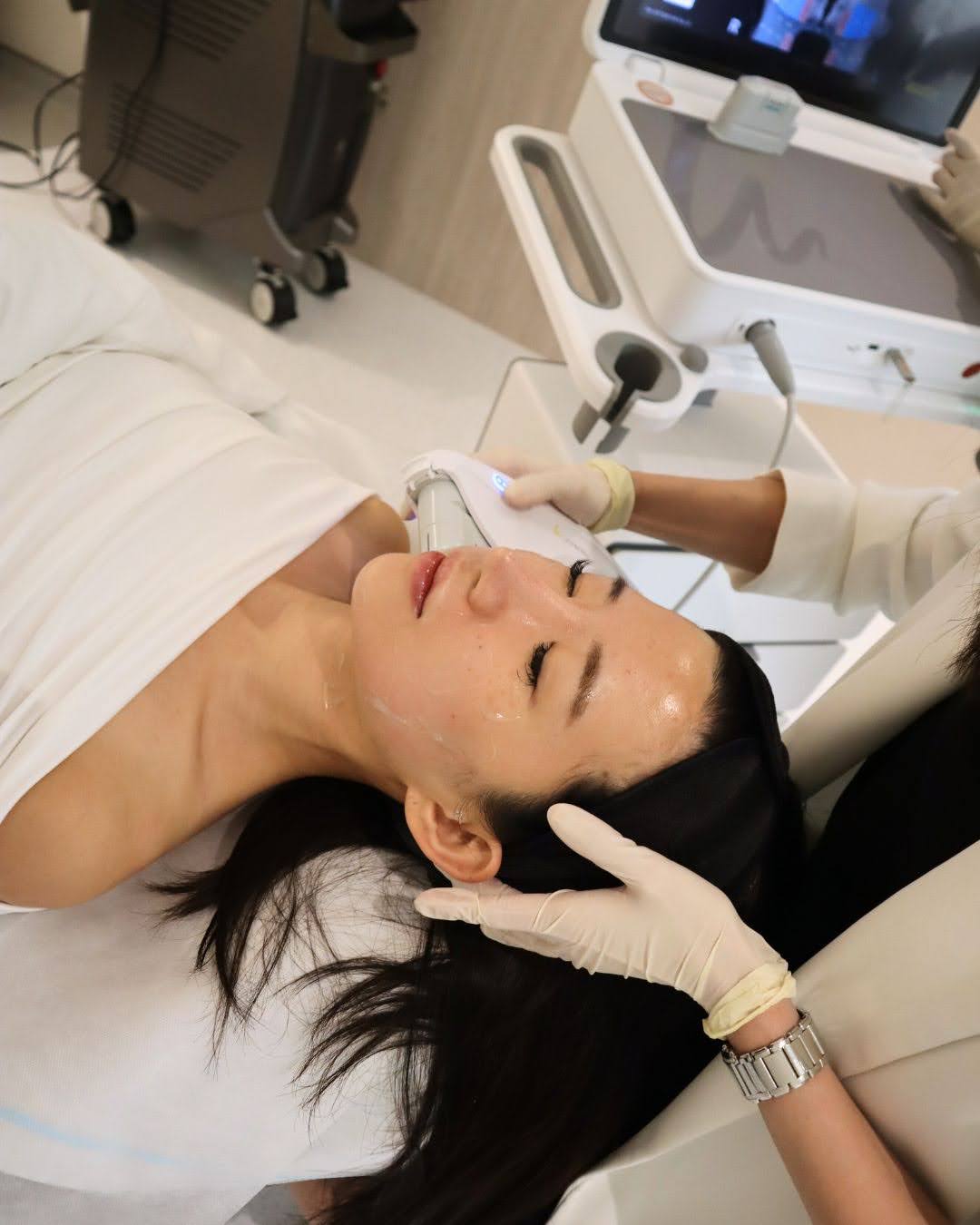
Ultherapy is a non-surgical procedure that uses focused ultrasound energy to address low to moderate skin laxity in areas such as the brow, chin, jawline, and neck. In clinical practice, Ultherapy is often considered as part of a broader, personalised aesthetic plan rather than a standalone solution.
Unlike treatments that focus primarily on the skin’s surface, Ultherapy targets deeper layers that contribute to structural support. Results vary from person to person, and a consultation is necessary to determine whether this approach is appropriate for an individual’s skin condition and goals.
Understanding what Ultherapy is may help individuals who are not ready to consider invasive procedures or who may not even need such procedures.
What Ultherapy Is and What It Is Not
Ultherapy is a non-invasive treatment that delivers focused ultrasound energy to specific depths under the skin. It is designed for individuals with mild to moderate skin laxity rather than significant sagging. Because the skin surface is not disrupted, Ultherapy is often described as a form of skin lifting without surgery, though it does not replicate the effects of surgical lifting.
It is important to understand what Ultherapy does not do. It does not remove excess skin, dramatically alter facial structure, or provide immediate lifting effects. Instead, it supports gradual changes that occur as the body responds biologically over time.
How Ultherapy Works Beneath the Skin
To better understand what Ultherapy is, it is important to look at how the treatment functions at a tissue level. During the procedure, focused ultrasound energy is deposited at specific depths, commonly ranging from 1.5mm, 3mm and 4.5mm beneath the skin, depending on the treatment area and individual anatomy. These depths correspond to layers involved in skin support and firmness.
The controlled heat generated at these points triggers the body’s natural collagen-forming process. Over the following months, new collagen develops, which may contribute to gradual improvements in skin firmness. Throughout this process, the skin surface remains intact, distinguishing Ultherapy from treatments that rely on surface injury to stimulate renewal. This mechanism is why Ultherapy is often described as a form of ultrasound skin tightening, as it supports gradual firming through collagen regeneration rather than surface injury.
Because precise depth targeting and energy placement are critical, Ultherapy is typically performed in a doctor-led setting such as an aesthetic clinic in Singapore, where individual anatomy can be assessed before treatment.
Why Ultrasound Technology Is Used
Ultrasound technology plays a key role in Ultherapy. Real-time imaging supports clinicians in visualising tissue layers before energy is delivered. This helps guide placement and ensures that energy is applied at depths suited to the individual’s anatomy.
This approach differs from other energy-based modalities and is one reason Ultherapy is sometimes described as an ultrasound facial treatment rather than a surface-focused procedure. The use of imaging supports precision but does not eliminate the need for clinical experience and appropriate energy selection.
Common Treatment Areas and What Individuals May Experience
Ultherapy is often used on areas where mild to moderate laxity tends to appear:
Brow and upper face
Chin and jawline
Neck
Selected areas on the chest, depending on suitability
During treatment, individuals may experience sensations such as warmth, tingling, or brief discomfort as energy is delivered. Pain perception varies between individuals; as such, comfort management is discussed during consultation to recommend settings and comfort measures.
After treatment, there is usually little to no downtime. Some individuals notice temporary redness, swelling, or tenderness, which typically resolves within a short period. Changes in skin firmness, if they occur, develop gradually over several months as collagen forms.
How to Prepare for an Ultherapy Treatment
A short preparation period may help support your treatment and reduce the likelihood of unnecessary sensitivity. Some of the preparations you may need to consider include:
Stopping the use of retinoids or other exfoliating skincare products in the days leading up to treatment, as these can increase skin sensitivity.
Avoiding sun exposure and tanning in the weeks before treatment, since sunburnt or freshly tanned skin may be more reactive to ultrasound energy.
Removing makeup, skincare products, and lotions before the session begins.
As preparation needs can vary depending on skin type and treatment area, specific guidance is usually confirmed during consultation.
Common Concerns And Misconceptions
A common concern among those researching what Ultherapy is is whether it produces immediate lifting. Ultherapy does not provide instant results, and expectations of dramatic overnight change are a misconception. The process relies on natural biological response, which takes time.
Another misconception is that Ultherapy is suitable for everyone seeking skin tightening. In reality, individuals with significant skin laxity or excess skin may not achieve meaningful benefit and may be advised to consider other options. Ultherapy also does not replace good skincare habits or sun protection, which remain important regardless of treatment choice.
Who Ultherapy May Be Suitable For, and Who It Is Not
Ultherapy may be considered for individuals who:
Have mild to moderate skin laxity
Prefer non-surgical approaches
Are seeking gradual, subtle changes rather than dramatic alterations
It may not be suitable for individuals with:
Advanced skin sagging
Excess loose skin
Expectations of immediate or surgical-level results
Accessibility may also influence patients who have to consistently follow through with treatment plans. Clinics located on Orchard Road may generally be well-connected by MRT and public transport, making it easier to attend consultations, treatments, and follow-up visits.
This convenience is particularly relevant for procedures such as Ultherapy, which may involve review appointments over time. For example, being able to access an aesthetic clinic on Orchard Road, Singapore without significant travel disruption supports continuity of care and more realistic long-term planning.
What to Expect After Ultherapy
Most individuals resume normal activities immediately after treatment, as Ultherapy involves little to no downtime.
In the hours following treatment, you may notice:
Mild redness, swelling, or tenderness, which typically settles within a short period
Temporary discomfort, which can usually be eased with a cool compress
To support your skin as it recovers:
Apply daily sun protection in the weeks after treatment
Stay well hydrated
Avoid excessive heat exposure, such as saunas or prolonged sun exposure, until any initial sensitivity has resolved
How Long Do Ultherapy Results Typically Last?
Results from Ultherapy tend to develop gradually and may last some time once achieved, though individual experience varies depending on skin condition, ageing rate, and lifestyle factors. Many individuals consider annual or periodic follow-up sessions to help maintain results as the skin's natural collagen levels continue to change over time.
Because longevity depends on individual biology, a personalised discussion during consultation can help you set realistic expectations.
Ultherapy vs HIFU vs Thermage: What's the Difference?
Ultherapy is one of several non-surgical options for skin tightening, alongside treatments such as high-intensity focused ultrasound (HIFU) and Thermage, which uses radiofrequency energy. While all three aim to support firmer, more lifted skin, they differ in depth of energy delivery and treatment experience.
Expected Timeline and Next Steps
Collagen regeneration following Ultherapy typically occurs over three to six months. Some individuals may notice early changes, while others observe more gradual progression, depending on skin condition and biological response. As results and experiences vary, professional assessment plays an important role in determining whether this ultrasound-based approach aligns with individual skin needs and expectations.
At Cambridge Medical Group Somerset, doctors regularly discuss Ultherapy as part of a broader, assessment-led approach to non-surgical skin lifting. Contact us to arrange a consultation if you are newly exploring what Ultherapy is and would like personalised guidance on whether ultrasound-based skin lifting may be suitable for you.
