Types of Acne Scars and Acne Scar Removal Treatments in Singapore
Summary:
|
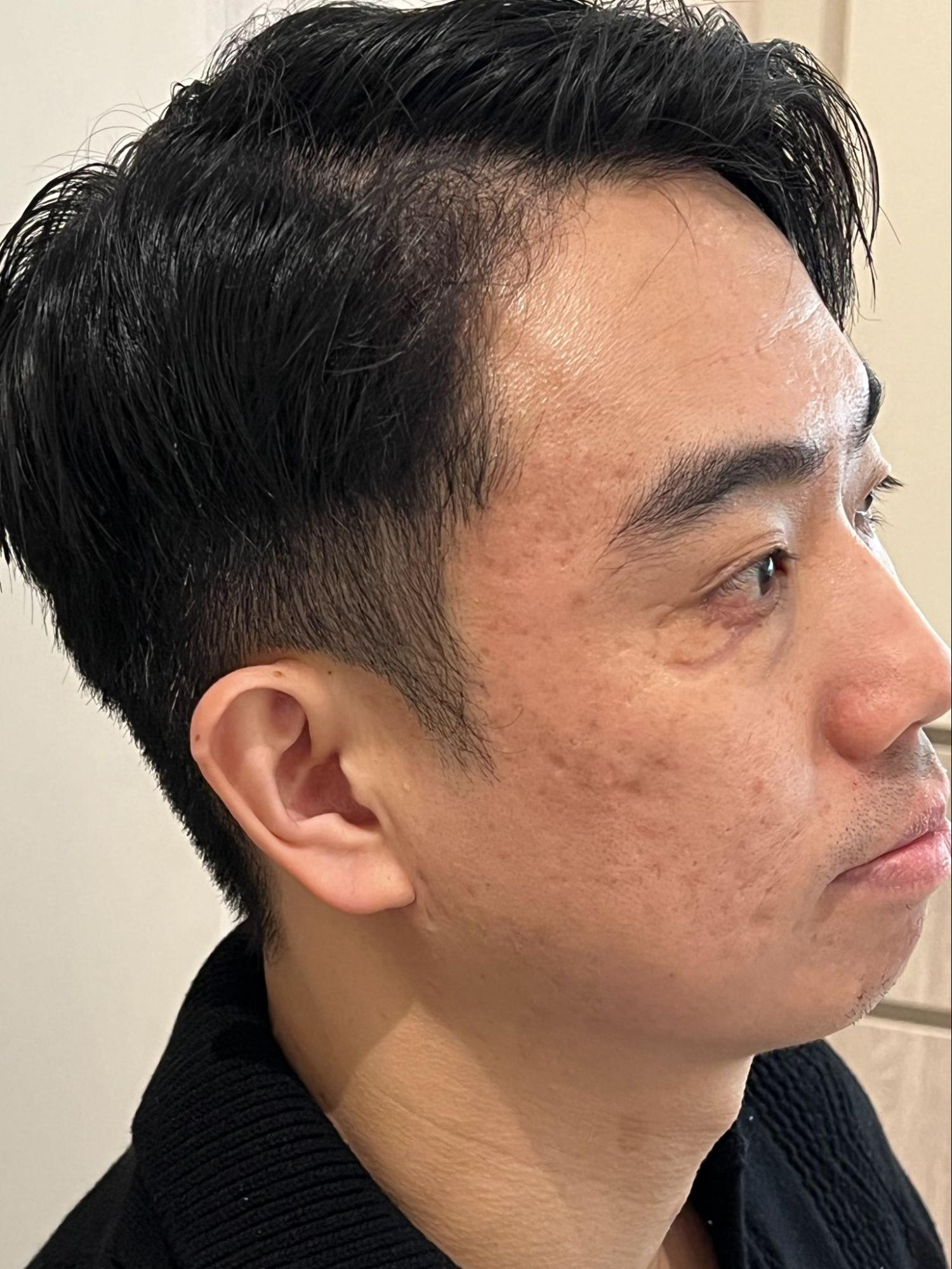
Many people expect acne scars to fade on their own once breakouts clear. In practice, scars can be far more persistent and far more varied than this assumption allows. Different types of scars form through different mechanisms, and some are resistant to surface-level treatments regardless of how consistently they are applied.
Understanding why this happens is the starting point for any effective approach to acne scar removal in Singapore.
Why Acne Scars Don’t All Heal the Same Way
After a breakout, the skin begins repairing itself beneath the surface by rebuilding collagen. This process is not always consistent. In some cases, collagen is lost faster than it is replaced, leaving behind depressions in the skin. In others, the skin produces more tissue than is needed, resulting in raised areas that feel firmer than the surrounding skin.
The outcome depends on how the skin responds to inflammation, which varies among individuals and across different breakouts in the same person. Several additional factors influence what kind of scar forms and how visible it becomes:
Depth of inflammation: Breakouts that extend deeper into the skin, such as cystic or nodular acne, are more likely to disrupt the underlying structures that support the skin’s surface.
Physical trauma: Picking or squeezing can drive inflammation deeper and cause further structural damage.
Duration of untreated acne: Prolonged inflammation reduces the skin’s capacity to repair cleanly, increasing the likelihood of permanent scarring.
The Main Types of Acne Scars
Acne scars vary considerably in their appearance, structure, and depth. Some change the skin's texture; others affect tone without altering the surface. Understanding the distinction is important because it affects which treatments are appropriate.
Scar Type | Category | How It Appears | How It Forms | Skin Change | Skin Types Most Affected |
Ice pick 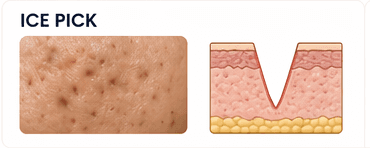 | Atrophic (indented) | Deep, narrow indentations extending into the skin, like small puncture marks | Severe collagen loss in a concentrated area during healing | Textural | All skin types; more visible in thinner skin |
Boxcar 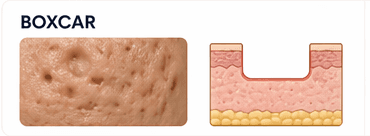 | Atrophic (indented) | Wider depressions with defined, angular edges, giving a structured “cut-out” appearance | Collagen loss beneath a broader area of inflammation | Textural | All skin types; more prominent with larger pores |
Rolling 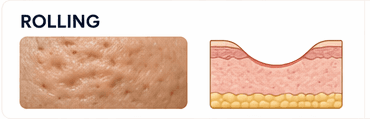 | Atrophic (indented) | Gentle, wave-like depressions create an undulating surface | Fibrous bands beneath the skin tether the surface downward | Textural | Common in Fitzpatrick III–V skin; often associated with longer acne history |
Hypertrophic 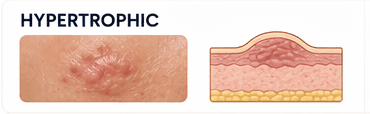 | Raised | Firm, raised scar that stays within the boundary of the original breakout | Excess collagen production during healing | Textural | More common in Fitzpatrick III–VI skin types |
Keloid 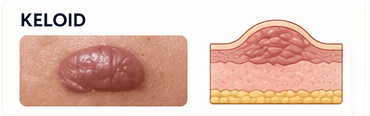 | Raised | Raised scar that extends beyond the original breakout area and may continue to grow | Unregulated excess collagen production beyond the wound boundary | Textural | Predominantly Fitzpatrick IV–VI; genetic predisposition is a significant factor |
Post-inflammatory hyperpigmentation (PIH) 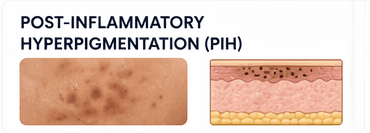 | Flat (pigment-related) | Flat, darkened spots where a breakout has healed; surface texture unchanged | Excess melanin produced in response to inflammation; not a structural scar | Tonal only | More common and more persistent in Fitzpatrick III–VI skin types |
A practical way to distinguish structural scars from PIH is by touch. If the area feels smooth, the change is likely tonal. If the surface feels uneven, there is likely a structural component. This distinction matters because the treatments suited to each are quite different.
Why Some Acne Scar Treatments Don’t Produce the Expected Results
One of the most common reasons treatments underperform is a mismatch between the treatment depth and the scar type. Skincare products and lighter treatments act near the surface, which can improve tone and general skin quality, but cannot reach the structural changes responsible for indented scars.
A single treatment modality may also address one aspect, such as pigmentation or mild surface texture, while leaving deeper scarring unchanged. For many people with a mix of scar types, this means results feel partial rather than meaningful.
It is also worth setting realistic expectations from the outset. Acne scar treatments work with the skin’s natural repair processes, which means improvements develop gradually over weeks and months rather than immediately. The goal of treatment is to soften scars and help them blend more evenly with the surrounding skin, not to eliminate them entirely.
Acne Scar Removal Treatments Available in Singapore and What Each One Targets
No single treatment addresses all acne scar types. At Cambridge Medical (Somerset), acne scar removal plans are built around the individual’s scar types, skin type, sensitivity, and risk of pigmentation response, particularly for Fitzpatrick III–V skin types. The table below outlines the main treatment options and how they are typically applied.
