
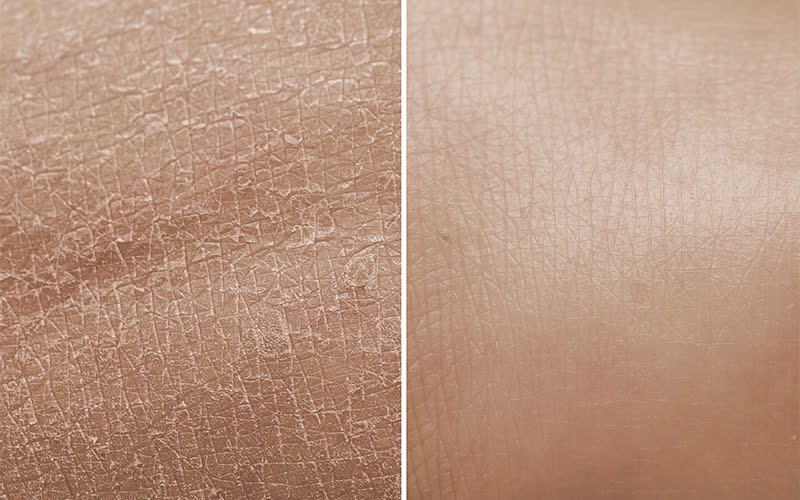
Can Dehydration Cause Dry Skin? The Importance of Internal Moisture Levels
Can dehydration cause dry skin? Learn how internal moisture levels affect skin comfort, appearance, and why proper assessment matters before treatment.
Key Takeaways:
Can dehydration cause dry skin? While dehydration does not directly alter skin type, it may impact how the skin appears and feels.
Dry skin and dehydrated skin may arise from different underlying mechanisms and may require various forms of support.
Reduced internal moisture may compromise skin comfort, elasticity, and surface smoothness.
Lifestyle habits and environmental exposure may play a major role in dehydration-related skin changes.
A personalised assessment at a medical aesthetics clinic may help clarify whether dehydration, dry skin, or both are contributing factors and whether targeted support is advisable.
Difference Between Dry Skin and Dehydrated Skin
Some people experiencing tightness, flakiness, or dullness may ask: Can dehydration cause dry skin? While the two conditions may be confused with each other, they are not the same.
Dry skin is a skin type characterised by reduced oil production, which may affect the skin’s ability to retain moisture. Dehydrated skin, on the other hand, may reflect a lack of water and may affect any skin type, including oily or combination skin. When dehydration occurs, even normally balanced skin may appear rough or uncomfortable.
Understanding this distinction is essential, as management strategies may differ depending on whether the issue is oil deficiency, water deficiency, or a combination of both.
Where Dry Skin and Dehydration Intersect
Although dry skin and dehydrated skin have fundamentally different mechanisms, they may overlap in real life and influence how one another is experienced. Dry skin may lack sufficient oil to seal moisture in, while dehydrated skin lacks water. When these occur together, the skin may be unable to retain moisture effectively and inadequately supported from within.
In this overlap, dehydration may intensify the symptoms of dry skin. Low internal moisture may make the skin feel tighter and less flexible, while reduced oil content may mean that existing moisture within the skin escapes more easily. This combination may lead to rough texture, increased sensitivity, and fine lines appearing, even though the underlying skin structure may have remained unchanged.
This explains why some individuals may feel that their dry skin worsens despite using richer moisturisers, or why hydration alone may not fully relieve discomfort. Addressing only one aspect, either oil deficiency or water deficiency, may provide partial relief but not resolve the issue entirely. Recognising where dry skin and dehydration intersect may allow for a balanced approach that supports both the skin barrier and internal moisture levels.
How Dehydration Affects Skin at a Physiological Level
When internal hydration levels drop, the skin’s surface may show subtle changes which may usually not be visually noticeable. Reduced epidermal hydration may make the skin feel tight, less elastic, and prone to fine surface lines.
Dehydration may also be linked to increased transepidermal water loss, which means moisture may escape from the skin easily. This may happen because the skin’s protective barrier may have already been weakened. Dehydration may make this weakness more noticeable rather than causing it on its own. When the barrier is compromised, the skin may have difficulty staying balanced, especially in dry or air-conditioned environments.
Think of it like a wall with small cracks; water may escape easily, not because the wall disappeared, but because its protective structure may no longer be intact.
These changes do not create deep wrinkles but may make fine lines and uneven texture look obvious.
Ultimately, the changes are functional. Dehydrated skin may look tired or textured and feel less resilient, but these effects may be supported with hydration and skin support.
This differs from dry skin, where oil deficiency may cause persistent roughness and flaking that does not resolve simply by increasing water intake.
So, Can Dehydration Cause Dry Skin?
In short, dehydration does not directly cause dry skin, but it may worsen how dry skin feels and appears.
Dry skin is a skin type characterised by reduced oil (lipid) production, which may affect the skin’s ability to seal in moisture. Dehydration, on the other hand, refers to a lack of water within the skin and may occur in any skin type, including oily skin. These are two different processes, which is why dehydration alone may not convert normal skin into dry skin.
However, when dehydration occurs in someone who already has dry skin, the effects may overlap. Low internal water levels reduce skin flexibility and comfort, while insufficient oil means that moisture escapes more easily. Together, this may make dry skin feel tighter, rougher, and more sensitive, with fine lines appearing pronounced. This may be why people feel their “dry skin has suddenly worsened” during periods of dehydration.
This distinction matters because treating dehydration alone will not correct dry skin, and treating dry skin without addressing dehydration may lead to incomplete improvement. Understanding this relationship helps explain why it may be beneficial to look at how the two conditions interact, rather than treating them as the same issue.
It is important to note, however, that dry skin and dehydration frequently coexist. Identifying the dominant factor may allow for targeted and effective support rather than relying on hydration or moisturisation alone.
Common Signs of Dehydrated Skin
Recognising dehydration-related changes helps answer the question of whether dehydration can practically cause dry skin. Signs may include:
A dull or tired-looking complexion
Tightness, especially after cleansing
Rough or uneven texture
Temporary fine lines that soften after hydration
Reduced bounce-back during a gentle pinch test.
This involves lightly pinching the skin and releasing it; hydrated skin springs back promptly, while dehydrated skin may settle more slowly.
These signs tend to fluctuate but may improve with better hydration habits.
This is unlike dry skin, which is usually more persistent.
Common Signs of Dry Skin
Dry skin presents with features that may tend to be persistent, as they are linked to reduced oil production rather than. These signs may remain even when water intake improves and usually require ongoing barrier support.
Common signs of dry skin include:
Flaking or scaling around the cheeks, mouth, or nose
Rough or uneven texture that does not smooth out easily with hydration
Persistent tightness after cleansing or bathing
Increased sensitivity, with skin feeling easily irritated by weather, skincare products, or friction
Fine cracks or mild redness in more severe cases, reflecting a weakened skin barrier
Unlike dehydrated skin, dry skin does not improve quickly with increased fluid intake alone. This is because the underlying issue may lie in insufficient skin lipids, which may be necessary to lock moisture in and protect the skin from environmental stressors.
Recognising these signs may help differentiate dry skin from dehydration.
Lifestyle and Environmental Contributors of Dehydrated Skin
Dehydration may be influenced by daily habits. Low water intake, excessive caffeine or alcohol consumption, prolonged sun exposure, and extended time in air-conditioned spaces may reduce the water content in skin.
Over-cleansing or using harsh skincare products may disrupt the skin barrier. This is why a lifestyle review may be included as part of a professional skin assessment.
When hydration-related skin changes persist despite lifestyle adjustments, an assessment at an aesthetic clinic in Singapore may help clarify whether internal, environmental, or skin barrier factors are contributing.
How Lifestyle Factors Can Affect Dry Skin
Even when dry skin has a biological or clinical basis, lifestyle factors may influence its severity and day-to-day comfort. These include:
Frequent exposure to air-conditioning or dry environments
Hot showers or prolonged bathing
Over-cleansing or use of harsh soaps and exfoliants
Low humidity, travel, or seasonal changes
Inadequate skincare that fails to support the skin barrier
These factors do not usually cause dry skin on their own, but they may worsen existing dryness or make symptoms more noticeable.
Supporting the Skin
Internal Skin Support
Supporting hydration from within is an important foundation. Drinking water regularly throughout the day may help maintain consistent hydration levels. Including hydration-rich foods such as fruits and vegetables may also support overall fluid balance.
However, even well-hydrated skin may require external support to retain moisture effectively. This may help people understand that asking if dehydration can cause dry skin is about recognising how internal moisture levels may influence skin comfort and appearance.
External Skin Support
External care complements internal hydration. Gentle cleansers may help preserve the skin barrier, while moisturisers containing humectants and emollients support moisture retention. Daily sunscreen use reduces UV-related dehydration and barrier stress.
Over-exfoliating should be avoided, as it may increase water loss and worsen tightness rather than improve texture.
In selected cases, doctors may also discuss whether a skin booster may play a supportive role for individuals whose hydration concerns persist despite consistent skincare and lifestyle measures.
When Professional Support Is Discussed
Some individuals may explore professional options when dehydration, dry skin, or a combination of both contributes to persistent concerns such as rough texture, discomfort, or visible fine lines.
After assessment, doctors evaluate whether the primary issue lies in insufficient internal hydration, a weakened skin barrier from low oil production, or overlapping factors, before discussing whether any supportive treatments may be appropriate alongside lifestyle and skincare adjustments.
For individuals where dehydration plays a dominant role, skin booster treatments that deliver hyaluronic acid into the skin may be discussed to support hydration within the skin layers. These treatments do not replace daily moisturisation or correct dry skin caused by lipid deficiency, but may help improve skin comfort and surface quality when topical care alone is insufficient.
In cases where dry skin contributes to uneven texture or reduced skin resilience, and dehydration further accentuates these changes, radio frequency treatment may be discussed in selected situations to support overall skin quality. As with all procedures, suitability varies, and these options are considered only after careful evaluation of skin condition, sensitivity, and underlying causes.
Understanding the Role of Hydration in Skin Health
At Cambridge Medical Group Somerset, hydration-related skin concerns are evaluated as part of a broader medical aesthetics assessment rather than treated in isolation. Doctors consider factors such as skin type, lifestyle habits, environmental exposure, and existing skin conditions before discussing whether supportive options, including topical care, skin hydration treatments, or device-based procedures, may be appropriate.
Speak to us for personalised guidance based on your skin condition and lifestyle factors. Arrange a consultation with our medical team for a thorough assessment and discussion of options.
